
Independent Test · Updated Nov 17, 2026

    We Tested 11 Portable Wi-Fi Hotspots in 20+ Countries — One Was Worth Packing

    Six weeks, 11 devices, and one painfully slow hotel connection later — here's the $0.49/day hotspot we still pack before every trip.

    We Tested 11 Portable Wi-Fi Hotspots in 20+ Countries — One Was Worth Packing

    The first warning sign wasn't a dead zone. It was the hotel Wi-Fi bill — $84 for three nights of buffering, dropped calls, and a connection that died every time someone walked past the router. I ended up tethering from my phone in the lobby at 1 a.m. That trip cost more than a decent hotspot. So we bought the 11 best-selling portable hotspots of 2026 and took them through 20+ countries to measure what the spec sheets leave out: real speed, real battery life, and what actually happens when you cross a border.

    No Roaming Fees
    175+ Countries
    Up To 10 Devices

    ★★★★★ 4.8/5 from 15,320 Ryoko Pro user ratings

    See Our #1 Pick
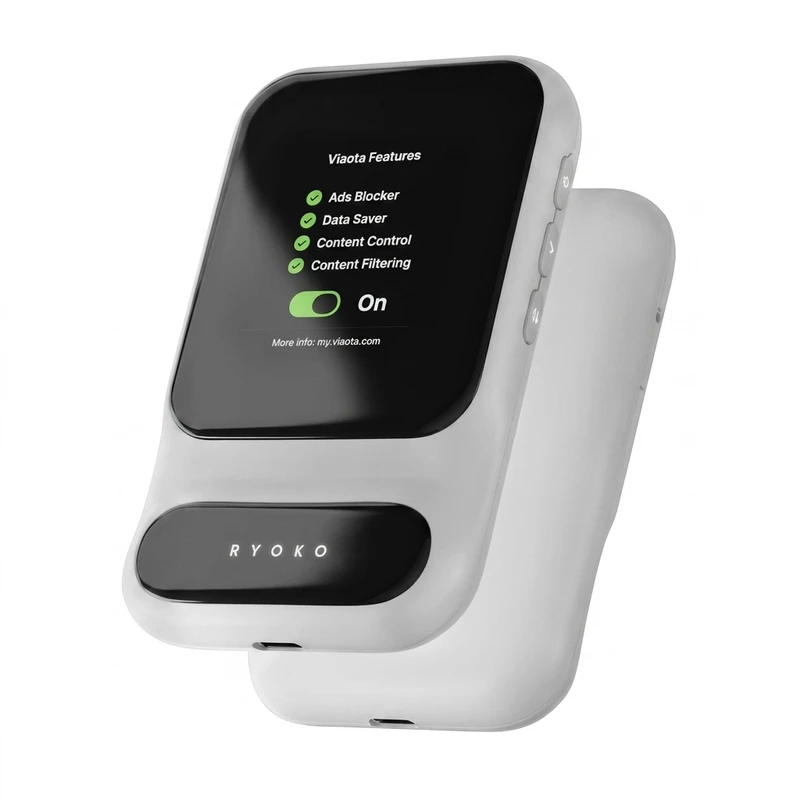
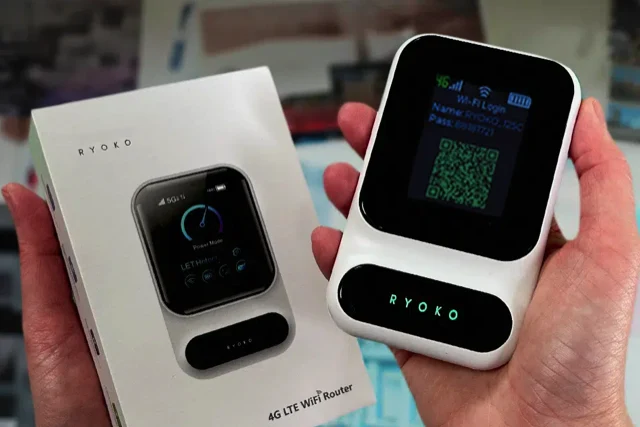
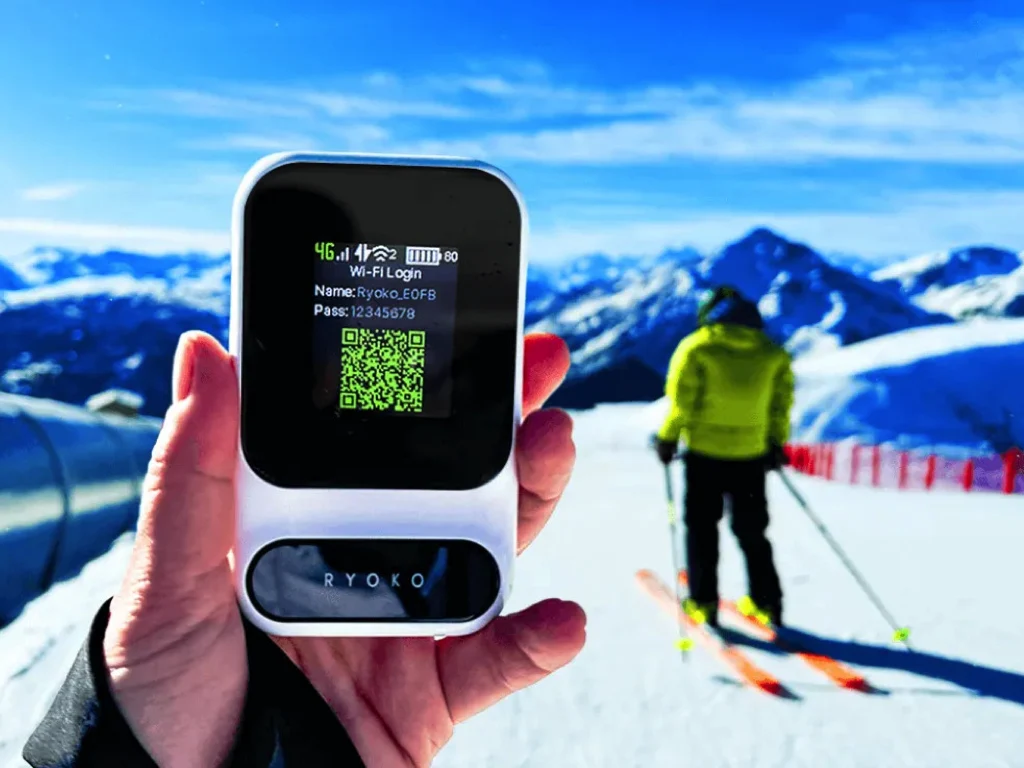
    Ryoko Pro portable Wi-Fi hotspot in use
    Brian Collier

    Field-tested by Brian Collier

    Global Travel & Connectivity Researcher · 11 devices tested in 20+ countries

    Advertiser disclosure: we may earn a commission if you buy through our links, at no extra cost to you. It never changes the price you pay or the devices we recommend.

    The $84 mistake that started this test

    It happened in a hotel in Lisbon. I had a deadline, a dead laptop, and a Wi-Fi connection that took 40 seconds to load a single email. The front desk's solution was to charge me $28 a night for "premium" Wi-Fi. I paid it. It didn't help.

    If you've ever paid $15–$30 a day for hotel internet, burned through your phone plan abroad, or missed a call because the airport network collapsed, you already know why this matters. A bad connection isn't just annoying when you're working — it's expensive.

    So we bought 11 hotspots and took them on real trips

    Over six weeks, we tested 11 of the best-selling portable hotspots across 20+ countries — from Lisbon and Tokyo to a rural cabin with one bar of signal. We paid for the devices ourselves, used each one as our primary connection for at least a week, and tracked real download speeds, battery drain, video-call latency, and the total cost of staying online.

    The results were not close. Devices with global SIM technology held steady across borders. Carrier-locked hotspots looked fine in their home market and fell apart the moment we crossed a border. And the cheapest devices often cost the most once data plans and roaming fees were added up.

    Below are the five we'd actually recommend — including the one we didn't expect to win, the one we'd buy if you only travel a few times a year, and the ones that only make sense for specific trips. If you're in a hurry: Ryoko Pro was the only device that stayed connected, stayed fast, and didn't add a roaming bill.

    The 5 Portable Hotspots That Survived Our Field Test

    Ranked by real-world speed, coverage, battery life, and total cost of ownership — not marketing claims.

    #1

    Ryoko Pro

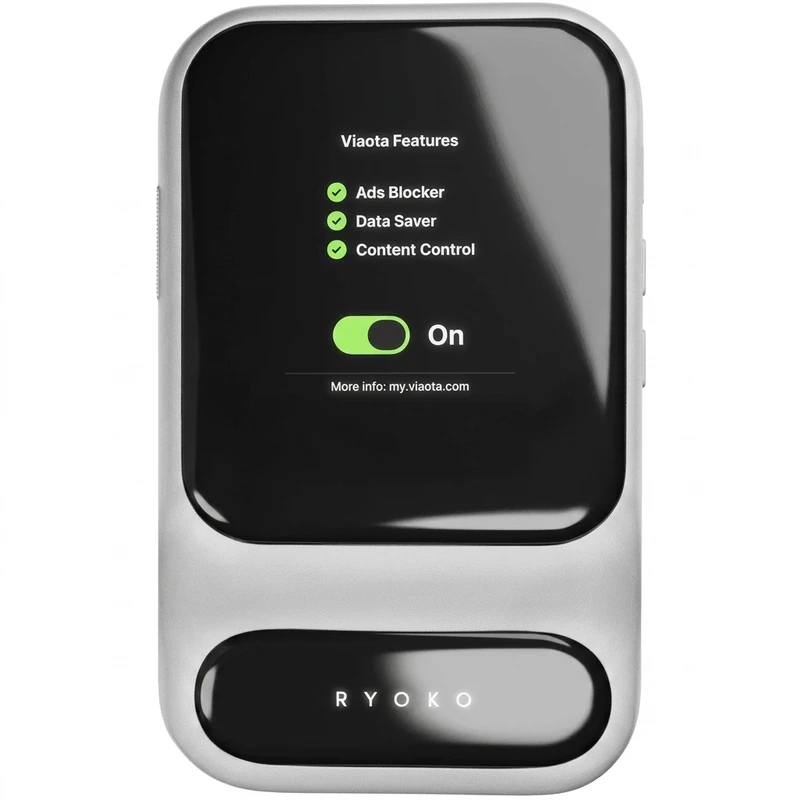
    Ryoko ProEditor's Choice

    Best for: frequent travelers, remote workers, and families who need one reliable connection for everything. It is the only device in our test that combined unlimited data, a free device, and zero roaming fees — and the one we kept using after the trip ended.

    • Truly Unlimited Global Data: no throttling, no daily cap, and no surprise slowdown after the first gigabyte. We streamed and worked normally for six weeks.
    • Device Included, Ready Out of the Box: the 6-month plan ships the hotspot at no extra cost. Power on, scan the QR code, and you are online in under a minute.
    • One Connection for Everything: we ran two laptops, three phones, and a tablet at the same time without a noticeable drop.
    • Battery That Lasts a Workday: 8–10 hours of mixed use in our test, charged over USB-C. It survived a full day of calls and file uploads.
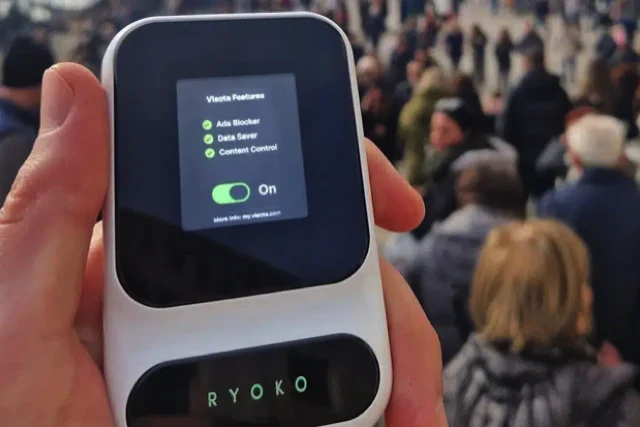
    • Built-In Security: an encrypted private network, ad blocker, and malware/phishing protection — genuinely useful on hotel and airport Wi-Fi.
    • No Contract, No Roaming Surprises: one price across 175+ countries, with no activation fee and no surprise bill when you cross a border.
    • 30-Day Money-Back Guarantee: the lowest-risk way to test it on your next trip. If it does not work for you, send it back within 30 days.
    • It Sells Out: availability changes week to week, and restocks do not last long. Check before you plan around it.
    • Online Only: you cannot buy it in a store or through a carrier, so there is no way to see it in person first.
    #2

    Ryoko Lite

    Ryoko Lite

    Best for: occasional travelers who would rather own the hardware and buy data only when they need it. Same core hardware as our winner, without the six-month plan commitment.

    • Lower Entry Price: More affordable upfront cost than the Pro model — great for occasional travelers.
    • Lightweight Design: Compact form factor fits easily in a pocket, purse, or carry-on without adding bulk.
    • No Contracts: No long-term carrier commitment — activate only when you need it.
    • Fewer Countries Covered: Smaller network footprint than the Pro — coverage gaps in more remote destinations.
    • Shorter Battery Life: Lower capacity battery means more frequent charging on full travel days.
    • Lower Device Limit: Fewer simultaneous connections — not ideal for team or family travel.
    Overall Score
    9.4
    Excellent
    User Ratings (6,840)
    Check Today's Price Read Our Review
    #3

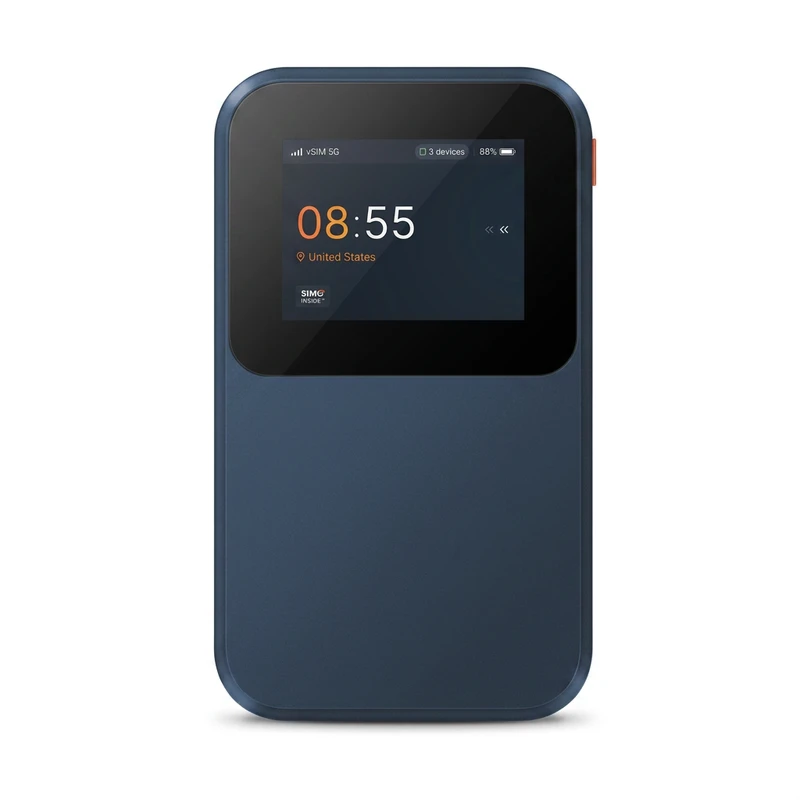
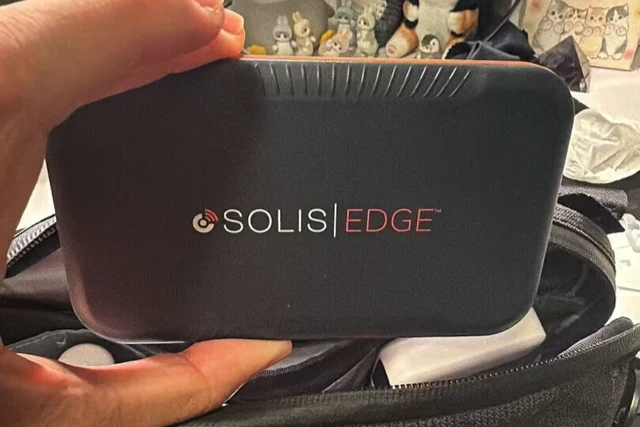
    SolisEdge

    SolisEdge

    Best for: multi-country trips where carrier flexibility matters more than a fixed monthly plan. The built-in power bank is a genuinely useful bonus.

    • Global Coverage: Works across multiple continents with flexible pay-as-you-go data plans.
    • Hotspot + Power Bank: Doubles as a portable charger for your phone and other devices on the go.
    • No Monthly Fee Required: Purchase data packages only when needed — no recurring subscription.
    • Higher Upfront Cost: One of the pricier devices in this category before data plans are factored in.
    • Data Costs Add Up: Heavy users can spend significantly on data packages during long international trips.
    • Speed Varies by Region: Signal strength depends heavily on local carrier infrastructure.
    Overall Score
    9.1
    Very Good
    User Ratings (4,520)
    Check Today's Price Read Our Review
    #4

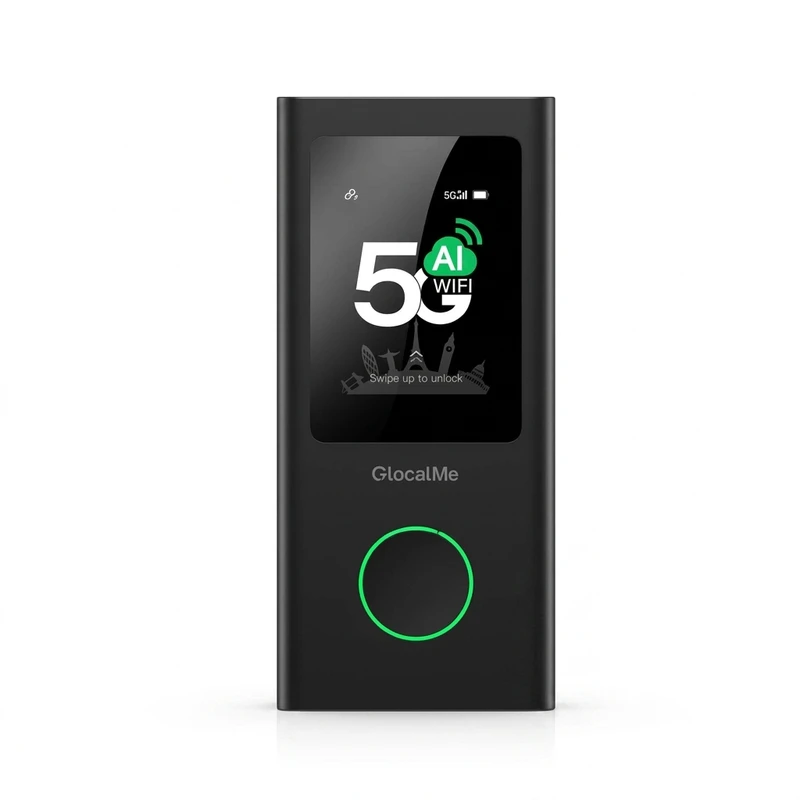
    GlocalMe G4 Pro

    GlocalMe G4 Pro

    Best for: long travel days and travelers who want the option of local SIM cards. Battery life is the headline; speed depends heavily on the carrier you choose.

    • 12-Hour Battery Life: One of the longest-lasting batteries in this roundup — handles marathon travel days.
    • SIM Card Flexibility: Accepts local SIM cards for cost-effective connectivity in any country.
    • No Roaming Charges: Built-in global coverage avoids the carrier fees that stack up fast during international travel.
    • High Upfront Device Cost: Significantly more expensive than entry-level options before adding a data plan.
    • Inconsistent Speeds: Network performance varies widely depending on the local carrier in each region.
    Overall Score
    8.7
    Good
    User Ratings (3,780)
    Check Today's Price
    #5

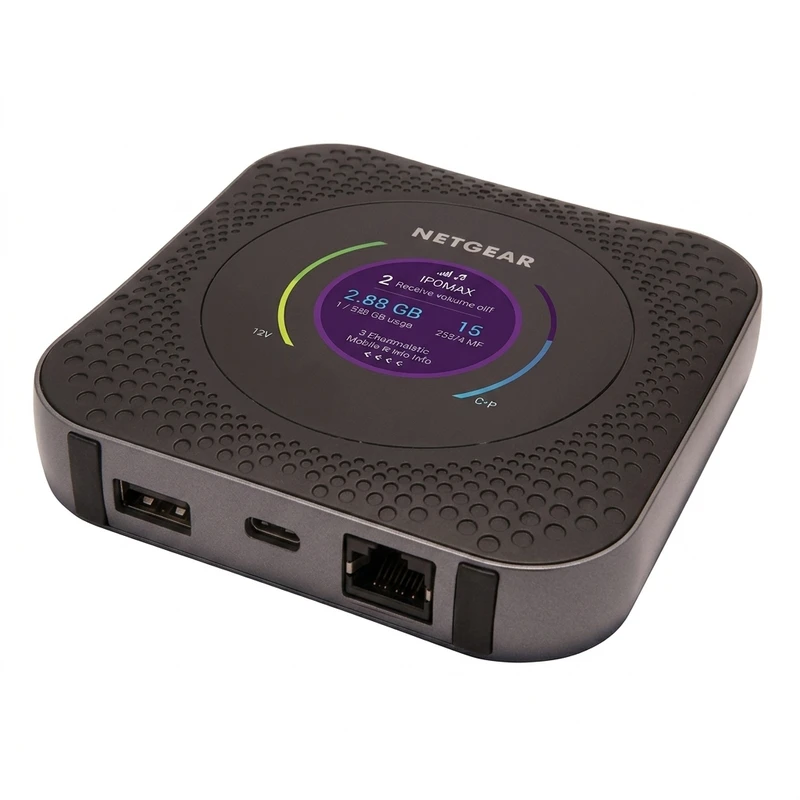
    NETGEAR Nighthawk M1

    NETGEAR Nighthawk M1

    Best for: US-based power users who need the fastest LTE speeds and do not mind the size or the price. This is a workhorse, not a pocket device.

    • Fastest Speeds Available: Delivers LTE-Advanced speeds that outperform every other hotspot in this roundup.
    • 24-Hour Battery: The longest battery life in the category — handles back-to-back days of heavy use.
    • Rugged Professional Build: Built for heavy daily use by remote workers and field teams.
    • US-Focused Coverage: Best performance in the US — limited coverage compared to global-first options.
    • Most Expensive Option: Highest price point in this roundup — best justified for power users only.
    • Heavy and Bulky: Larger and heavier than travel-friendly alternatives — less practical for light packers.
    Overall Score
    8.4
    Decent
    User Ratings (2,910)
    Check Today's Price

    How We Tested (And What Most Reviews Leave Out)

    We did not test these in a lab or run one speed test on a good day. We took them on real trips and used them the way you would — for work calls, maps, streaming, and the occasional 2 a.m. email. Over six weeks and 20+ countries, we compared them on four things that actually change your experience:

    Real-World SpeedWe ran speed tests in hotel rooms, airports, cafés, trains, and a rural cabin — at different times of day and on different networks. Advertised peak speeds were mostly fiction.
    Coverage That HoldsWe logged every dead zone, manual network switch, and drop to 3G. The best devices switched carriers quietly. The worst made us do it by hand.
    Battery Under LoadWe connected a laptop, two phones, and a tablet, then worked a normal day. Devices that claimed 12 hours often died before dinner.
    The Real BillWe added up device cost, plan cost, roaming fees, and shipping. A cheap hotspot with expensive data is not a cheap hotspot.

    The Full Story: Our Top 3 Picks

    What we liked, what annoyed us, and who each device is actually for.

    1Ryoko Pro
    9.8/10
    Top Choice

    Why Ryoko Pro Won (And the One Thing That Nearly Cost It the Top Spot)

    We did not expect Ryoko Pro to win. It is not the cheapest device, it is not the biggest name, and its spec sheet does not look dramatically better than the competition. But after six weeks, it was the hotspot we kept reaching for — and the only one that never gave us a reason to switch.

    The free-device offer is what gets attention. Sign up for the 6-month unlimited plan and the hotspot ships at no extra cost. The plan works out to $14.95/month — about $0.49/day — for unlimited data across 175+ countries. We paid $89.70 for six months plus $5.95 shipping. No device charge, no activation fee, no surprise roaming bill at the end.

    What mattered more was how it performed. In Lisbon, Tokyo, and a rural cabin with one bar of signal, it held a usable connection when the others did not. We ran video calls, uploaded files, and streamed on two devices at once. The battery lasted a full workday. Setup took under a minute: power on, scan the QR code, connect.

    The catch: it sells out, and you can only buy it through the official site. If you need a hotspot this week, check availability before you get attached. But if it is in stock, this is the one we would buy with our own money.

    Ryoko Pro in use

    Pros

    • FREE device shipped with your 6-month plan — biggest upfront saving in this category
    • $0.49/day unlimited data across 175 countries with no roaming fees
    • Connects up to 10 devices simultaneously
    • Built-in ad blocker + data saver — not standard on competitors
    • Encrypted private network keeps you secure on public Wi-Fi
    • Fast USB-C charging with up to 8-hour battery life
    • 30-day money-back guarantee on your plan

    Cons

    • Frequently sells out due to popularity — restocks ship in waves
    • Available exclusively through the official site — not sold through carriers or in retail stores

    The Verdict

    Ryoko Pro won because it removed the three things that make portable Wi-Fi frustrating: the upfront device cost, the roaming bill, and the daily anxiety about data. Nothing else in our test did all three at once. It is not the cheapest way to get online — but it is the one we would trust on a trip where being offline is not an option.

    Claim the Free-Device Offer30-Day Money-Back Guarantee
    2Ryoko Lite
    9.4/10

    Ryoko Lite is the own-it-outright version of our winner. The hardware is essentially the same — 175+ country coverage, up to 10 devices, 8-hour battery, encrypted network, and ad blocker — but you buy the device upfront at 70% off and add data only when you need it.

    We would choose it if you travel a few times a year, already have a data plan you like, or want a backup hotspot without another monthly bill. It is also the better option if you hate subscriptions on principle. The trade-off is simple: higher upfront cost, and data is extra when you do need it.

    Ryoko Lite in use

    Pros

    • Own the device outright — no subscription commitment
    • Same hardware as Ryoko Pro (175 countries, 10 devices, 8-hour battery)
    • 70% off promotional price
    • Flexible data — buy only what you need
    • 30-day money-back guarantee
    • No contract, no roaming fees

    Cons

    • Device cost is upfront (vs. free with 6-month Pro plan)
    • Data purchased separately — less convenient for daily heavy users
    • Higher long-term cost vs. Pro plan for frequent travelers

    Why We Picked It

    Same hardware as the #1 pick, without the six-month commitment. If you travel constantly, the Pro plan is cheaper over a year. If you travel occasionally, Lite is the more sensible buy. The 30-day money-back guarantee makes it a low-risk test.

    3SolisEdge
    9.0/10

    SolisEdge is the flexibility play. It works across multiple carriers and switches to the strongest signal in each region, which makes it a decent choice for multi-country trips where you do not want to commit to one network.

    The companion app makes plan management and top-ups easy, and the built-in power bank is genuinely useful on long days. The downside is cost: the device is pricier than Ryoko, data is sold per region, and heavy use adds up fast.

    SolisEdge in use

    Pros

    • Automatically connects to strongest available carrier signal
    • App-based plan management and easy data top-ups
    • No carrier lock-in — works with multiple networks
    • Compact, lightweight design
    • Works across major travel regions

    Cons

    • Higher device price point than Ryoko
    • App required for plan management
    • Data plans priced per region — can add up for multi-region trips

    Why We Picked It

    Best for travelers who value carrier flexibility over a fixed monthly plan, or who want a hotspot that doubles as a power bank. It is a solid device — just not the value leader in this test.

    How to Choose a Hotspot Without Getting Burned

    Five questions that matter more than the spec sheet

    Ignore the "global coverage" badge until you read the fine print. Ask how many countries are covered without roaming fees, and whether the plan includes the places you actually travel. Ryoko Pro and Lite cover 175+ countries with no roaming charges; most carrier-locked devices start charging the moment you cross a border.

    Decide whether you want a subscription or a device you own. If you travel constantly, a flat daily rate like Ryoko Pro's $0.49/day unlimited plan is usually cheaper than paying per GB. If you travel a few times a year, Ryoko Lite's pay-as-you-go model means you are not paying for data you do not use.

    Check the battery with a real workload, not a spec sheet. If you are connecting a laptop, phone, and tablet, you need 8+ hours of mixed use, not "up to 12 hours" of standby. In our test, the gap between claimed and real battery life was often 30–40%.

    Count your devices before you buy. Two people with phones and a laptop means at least 5 connections. Ryoko Pro and Lite handle 10; some cheaper hotspots slow down at 3–5. If you are traveling with family or a team, this matters more than top speed.

    Look at the total cost, not the sticker price. Add the device, the plan, per-country fees, and shipping. A $99 hotspot with a $30/month plan and $10/day roaming can cost more than a $0.49/day unlimited plan within a single trip.

    The Verdict: Why Ryoko Pro Is Still the One We'd Pack

    Winner: Best Portable Wi-Fi Hotspot for 2026

    After six weeks, 11 devices, and 20+ countries, Ryoko Pro is the hotspot we would buy again. Not because it is perfect — it is not — but because it solved the three problems that made every other device frustrating: the upfront cost, the roaming bill, and the constant worry about running out of data.

    The global SIM is the real differentiator. It switches to the strongest available network in each country automatically, so we never had to hunt for a local SIM or manually change carriers. In our testing, that meant fewer dead zones, fewer dropped calls, and a connection that behaved the same in Tokyo as it did in Portugal.

    The value is the second differentiator. The 6-month plan works out to $0.49/day, the device ships free, and there are no roaming fees across 175+ countries. We compared that with $30–$60/month carrier plans and $15/day hotel Wi-Fi; the math was not close.

    It is not for everyone. If you only travel once a year, Ryoko Lite is the smarter buy. If you need the absolute fastest LTE speeds in the US, the NETGEAR is faster. But if you want one device that just works in most of the world — without a contract or a surprise bill — this is the one we would recommend.

    — Reviewed by the Consumer Advisory Report Team

    Questions Before You Buy, Answered Straight

    Brian Collier

    About the Tester: Brian Collier

    Brian has spent the last decade testing travel tech in 40+ countries, usually from airport floors, hostel lobbies, and the back of a bus. For this guide, he bought the devices with his own money, used each one as his primary connection for at least a week, and kept a running log of speeds, battery life, and surprise fees. No loaners. No brand approval. Just the stuff that actually worked.

    Consumer Advisory Report
    Consumer Advisory ReportIndependent Reviews & Field Tests

    We buy the products, run the tests, and publish the results — including the parts brands would rather we left out.

    Advertising Disclosure: Consumer Advisory Report may receive compensation from some of the companies featured on this site when users click on or purchase through our links. This compensation may influence which products or brands are featured and where they appear on the site.

    © 2026 Consumer Advisory Report. All Rights Reserved.

    Ryoko Pro

    Our #1 Pick

    70% off · free device

    See Offer